Ad Limina Visit of the Episcopal Conference of Uruguay
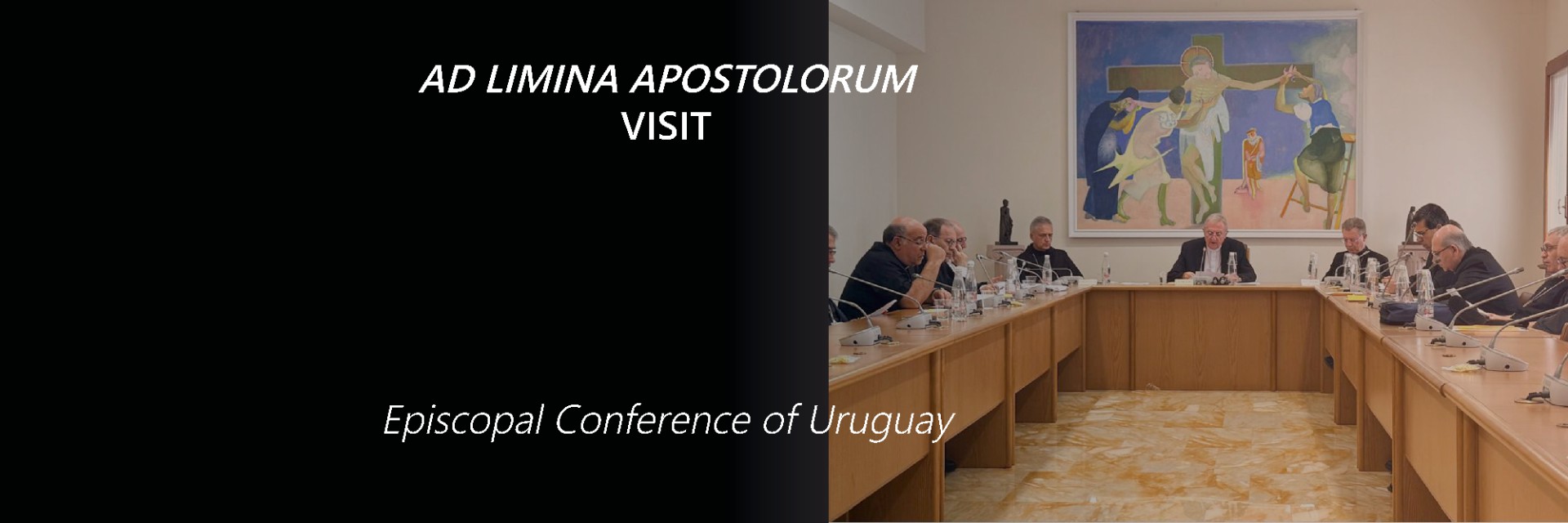
On 15 September 2026, the Bishops of the Episcopal Conference of Uruguay visited the Dicastery for Divine Worship and the Discipline of the Sacraments on the occasion of their ad limina Apostolorum visit.
During the meeting, several aspects of the liturgical life of the Church in Uruguay were shared, with particular attention to the practice of the celebration of the liturgy and to the various pastoral situations present in the country. At the outset, discussion focused on the Sunday celebration, which takes on different characteristics in urban settings and in rural communities, also in relation to the availability of priests. In this regard, the question of Sunday celebrations in the absence of a priest was also addressed. Within this context, the Liturgical Commission of the Episcopal Conference presented several resources intended to provide further guidance and formation for the faithful who participate in Sunday celebrations and in those of Holy Week.
The Bishops subsequently shared some reflections concerning the Order of Christian Funerals and the pastoral challenges associated with it. The need to safeguard the Christian identity of the celebration was emphasized, avoiding the introduction of ritual elements foreign to the faith of the Church, whether of a secular nature or associated with pagan practices.
Certain trends concerning the celebration of the sacraments were also highlighted: from a progressive decline in the celebration of the Sacrament of Matrimony to the fact that, in some areas of the country, there has been an increase in the number of adults requesting Baptism. This reality underscores the importance of adequately accompanying the faithful in their preparation and in their incorporation into the life of the Church.
Part of the reflection was devoted to the Sacrament of Reconciliation. The need to present sacramental confession in its authentic nature as an encounter between the penitent and the merciful Father was reaffirmed, avoiding any reduction of the sacrament to a mere religious practice or to simple advice of a psychological nature.
The Bishops then shared their experience concerning the use of the liturgical books and the processes involved in their translation.
During the meeting, several issues relating to the liturgical practice of the Neocatechumenal Way were discussed. Finally, the process of translating the Rite of Institution of Catechists was presented.