Towards an enculturated Liturgy
Liturgical inculturation and its challenges in the Universal Church
The Constitution Sacrosanctum Concilium, promulgated by the Second Vatican Council in 1963, established that: "Provisions shall also be made, when revising the liturgical books, for legitimate variations and adaptations to different groups, regions and peoples, especially in mission lands, provided that the substantial unity of the Roman rite is preserved; and this should be borne in mind when drawing up the rites and devising rubrics". This principle has been reaffirmed by a number of subsequent magisterial documents, including the 1994 instruction Varietates legitimae.
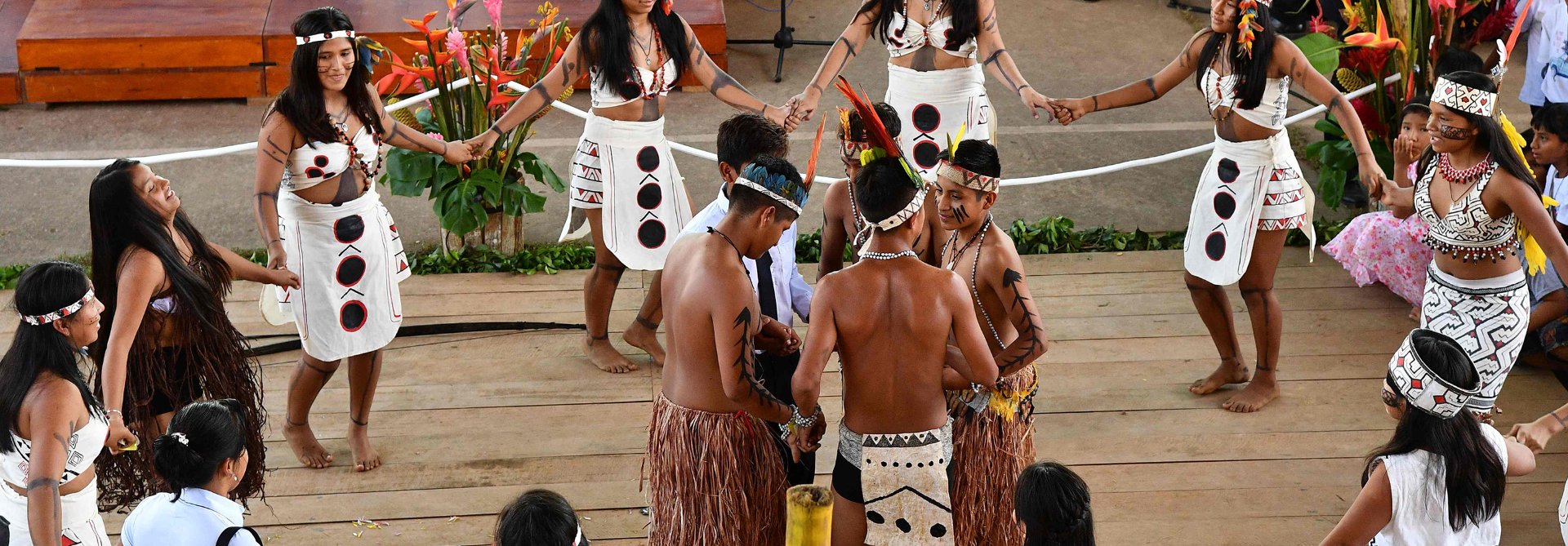
Liturgical inculturation is a complex process that requires discernment and attention to various liturgical and cultural factors. Over the years, the Church has promoted various liturgical inculturation projects in different parts of the world.
In recent months the Dicastery for Divine Worship and the Discipline of the Sacraments, represented by the Undersecretary Bishop Aurelio García Macías, has begun a significant and ongoing dialogue with some Episcopal Conferences, particularly those of Mexico, Colombia and Brazil. This dialogue is configured as a work in progress, aimed at deepening the knowledge of the different ecclesial realities and seeking together new ways to adapt the Roman Rite.